The hidden cost of owning things you rarely use
That drill, projector or pressure washer cost more than the price tag. Here’s why buying everything you need once is quietly draining your money, and what to do instead.
 Seculate Team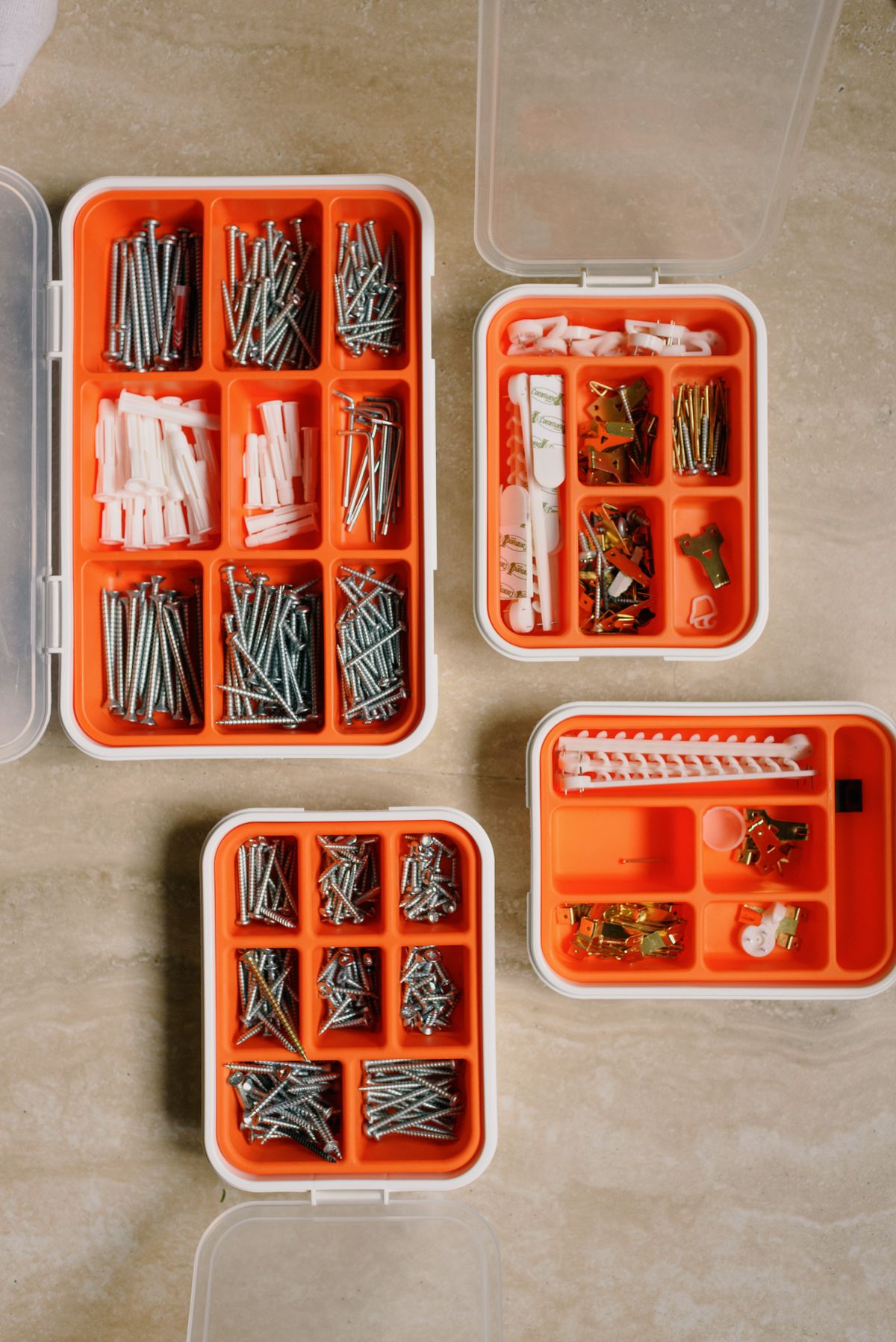
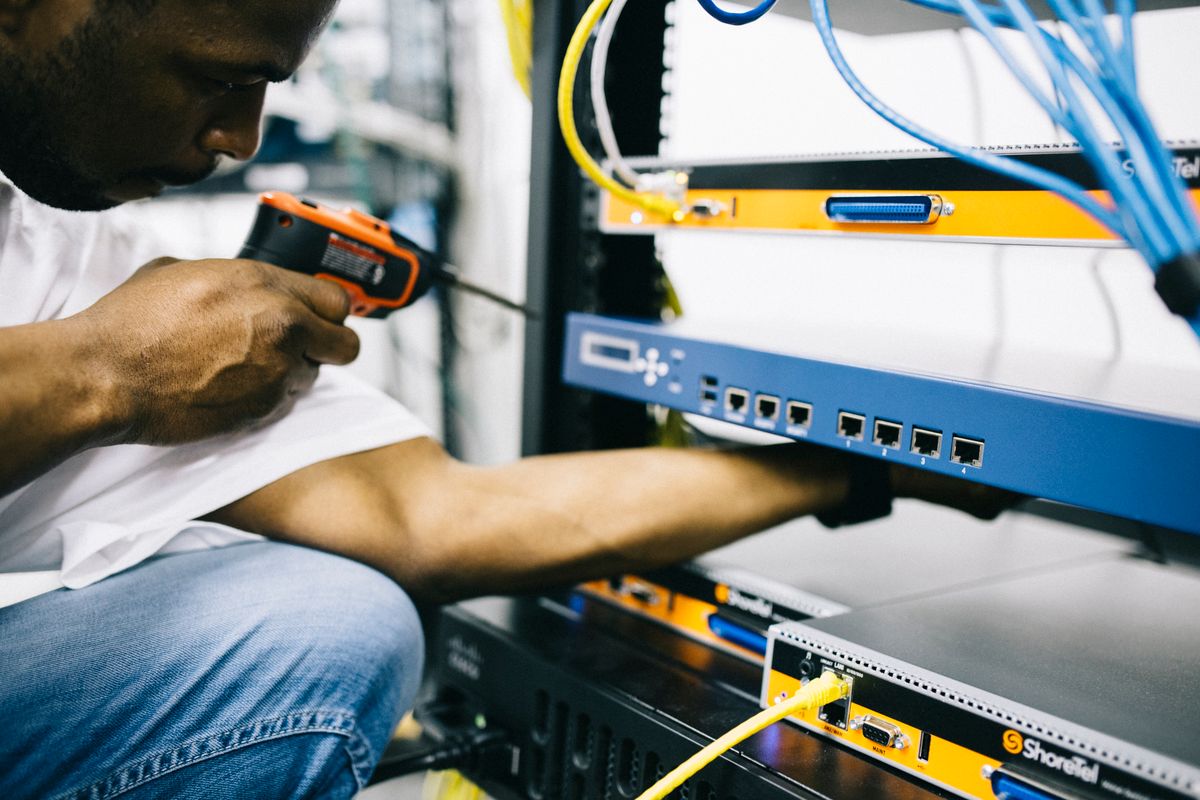
Think about the last time you bought something for a single job. Maybe a power drill to hang a few shelves. A ring light for one video shoot. A ladder to fix a ceiling fan. A set of chairs for a family event. You needed it, you bought it, you used it once, and then it went into a corner, a cupboard or under the bed, where it has been ever since.
Almost every home has a collection like this. On its own each purchase feels reasonable. Added together, they represent a surprising amount of money that is doing absolutely nothing for you. And as prices for almost everything keep climbing, “buy it just in case” has become one of the most expensive habits we have.
The price tag is only the beginning
When we decide whether to buy something, we usually compare the price to how badly we need it. But the real cost of owning an item is much bigger than what you pay at the shop. There are at least five costs hiding behind every rarely-used purchase:
- The upfront cost. The full retail price, paid at once, often for something you need for a few hours.
- Depreciation. The moment you open the box, it is worth less. Electronics lose value especially fast, and newer models make yours outdated.
- Storage. Space in your home is not free. Every bulky item that sits idle takes up room you pay rent for.
- Maintenance. Batteries die, parts rust, cables get lost. Things that sit unused often don’t work when you finally need them again.
- Opportunity cost. The money tied up in idle things could have gone to school fees, your business, savings or something that actually improves your life every day.
A simple way to see it
Divide what you paid for an item by the number of times you have actually used it. A tool that cost ₦60,000 and has been used three times cost you ₦20,000 per use, before you count storage, repairs or the value it has lost.
Why we keep buying anyway
If owning rarely-used things is so expensive, why does everyone keep doing it? Mostly because the alternatives have been frustrating. Borrowing from friends only works if a friend happens to own what you need, lives nearby and is available when you need it. Asking around on WhatsApp groups is slow and unreliable. Traditional rental shops often focus on big-ticket items, are far away, or aren’t open when you need them.
There is also a trust problem. Lending your camera to a stranger feels risky. Borrowing a generator from someone you have never met feels uncertain. Without a way to know who you are dealing with, buying your own feels like the “safe” option, even when it is the expensive one.
Access beats ownership
Here is the shift that changes everything: for most things, you don’t actually want to own them. You want what they do. You don’t want a drill, you want holes in the wall. You don’t want a projector, you want a great movie night or a clear presentation. You don’t want a pressure washer, you want a clean compound.
Once you think about it that way, the question changes from “should I buy this?” to “what is the easiest and cheapest way to get this done?” And very often, the answer is to borrow or rent it from someone nearby who already owns one and isn’t using it today.
The cheapest item you will ever own is the one you never had to buy.
When buying still makes sense
This doesn’t mean you should never buy anything. Some things are worth owning. A quick checklist before you buy:
- Will I use it at least weekly? Daily-use items like your phone or kitchen basics are worth owning.
- Is it personal or hygienic? Some things, like undergarments or certain personal care items, are better owned.
- Do I need it instantly and unpredictably? Emergency items such as a first-aid kit belong at home.
- Will it hold its value? If you will use it often and it keeps its value, buying can be a good investment.
If the answer to all of these is no, borrowing or renting is almost certainly the smarter move.
Turn the problem into income
There is a second half to this story. The items already sitting idle in your home are not just a sunk cost. They are an opportunity. The same camera, speaker, tool set or party equipment you rarely use is exactly what someone a few streets away is looking for this weekend.
By lending them out, you turn dead money back into living money. A few rentals a month can cover the original cost of an item, pay for its maintenance, or simply add a welcome boost to your income.
How Seculate helps
Seculate was built for exactly this. It connects you with verified people and businesses nearby so you can borrow what you need for as long as you need it, and lend what you don’t use. Ratings, reviews, in-app chat and secure escrow payments take the guesswork out of dealing with people you haven’t met before.
- Need something for a day or a weekend? Search nearby, chat with the owner, and pick it up.
- Have things gathering dust? List up to 3 items a month for free on the On Code plan and start earning.
- Lending often? Upgrade to a plan with more listings and better visibility when you are ready.
The next time you are about to buy something you will only use once, pause and check Seculate first. Your wallet, and your cupboard, will thank you.
Found this helpful? Share it with someone who could use it.